
JobsTO Labour Lowdown. August 2023.
Toronto’s labour market continued to show signs of resilience and strength during July. Toronto’s rate of unemployment remained stable as it rose slightly to 6.1 percent. The participation rate (those working or actively looking for work) remained at 68 percent, well above pre-pandemic levels. Economists note that an increase in the number of people participating in the labour force has positive impact on the overall economy.
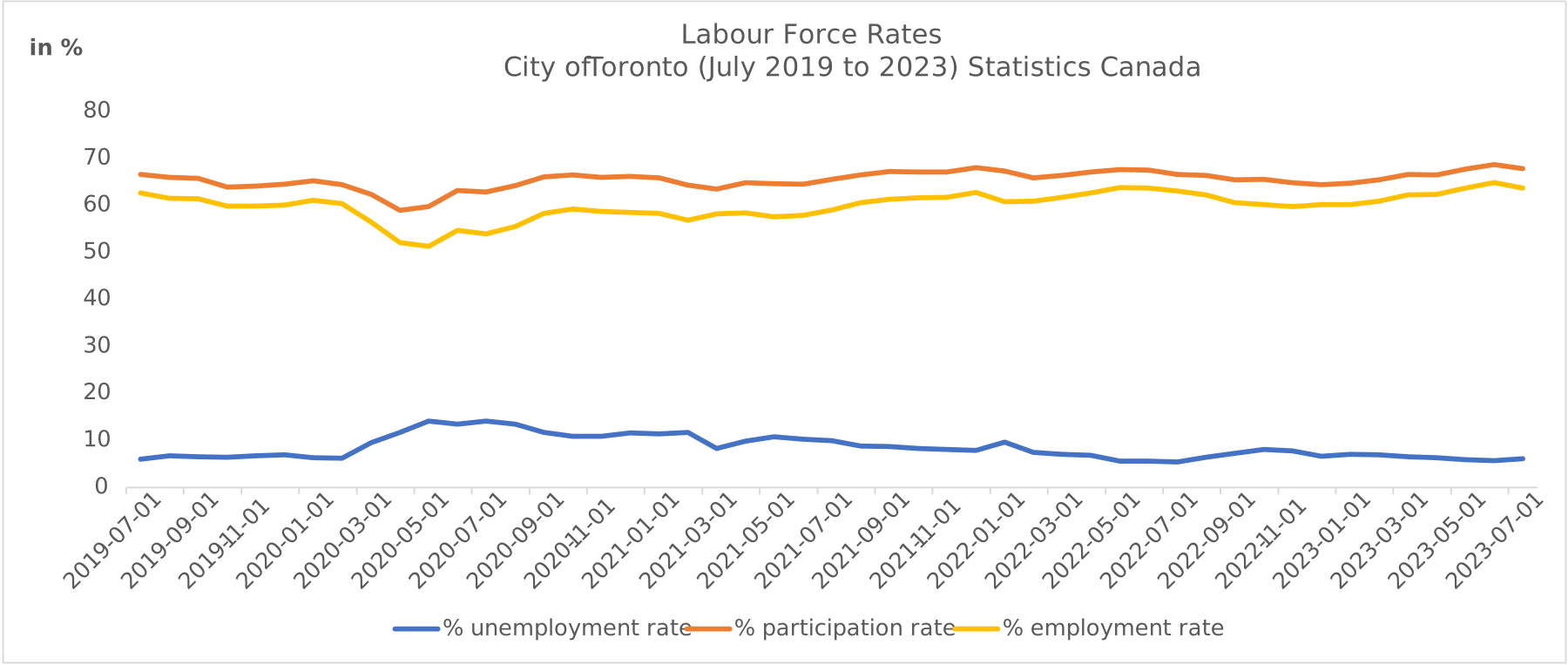
Salaries continued to see positive increases, according to Statistics Canada, as average hourly wages rose 5 percent in July, after earlier increases of 4.2 percent in June and 5.1 percent in May. These increases are countered by Ontario’s inflation rate which rose 3.3 percent year over year in July, following a 2.8 percent increase in June.
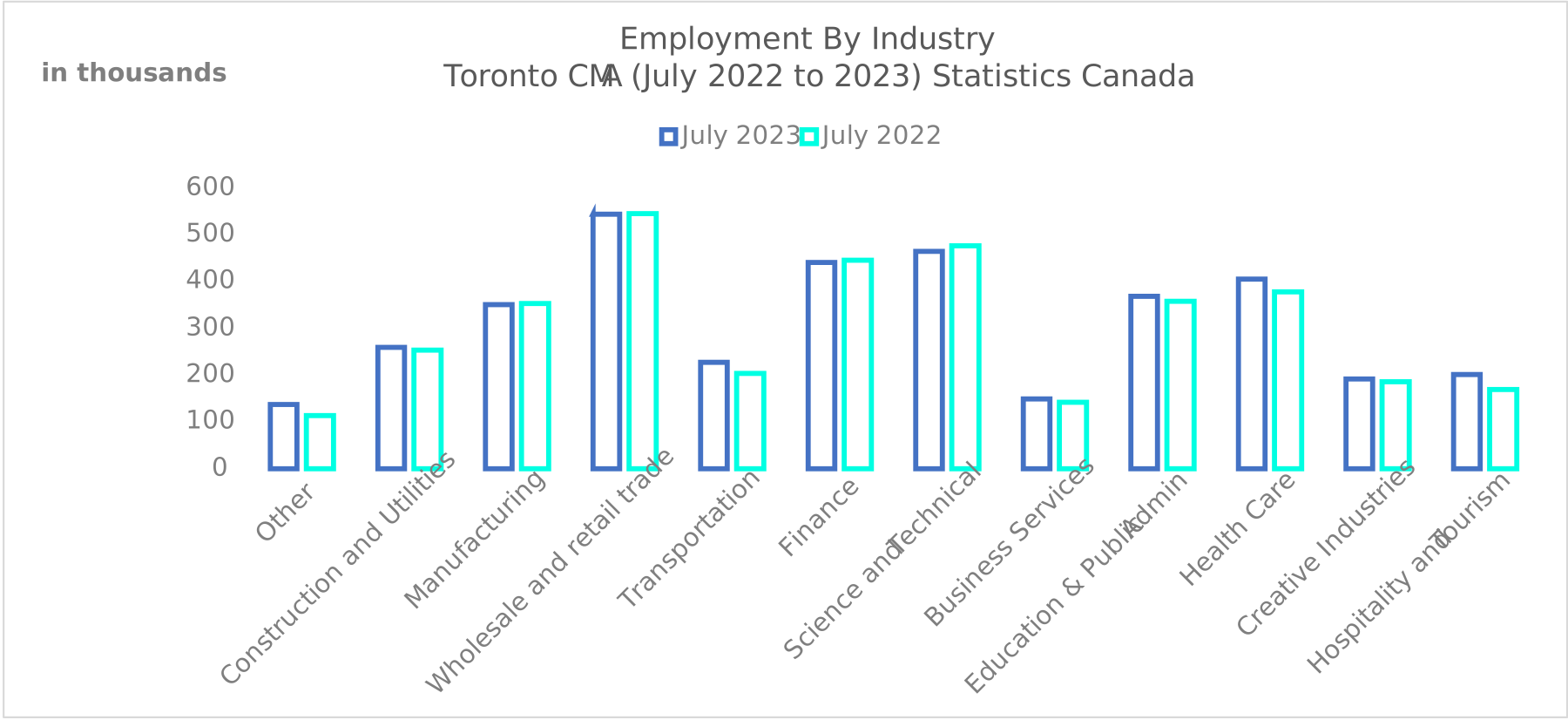
Over the past 12 months, Toronto CMA saw moderate employment increases in hospitality, health care, education, and construction. Employment in the Finance and Science sectors was fairly stagnant.
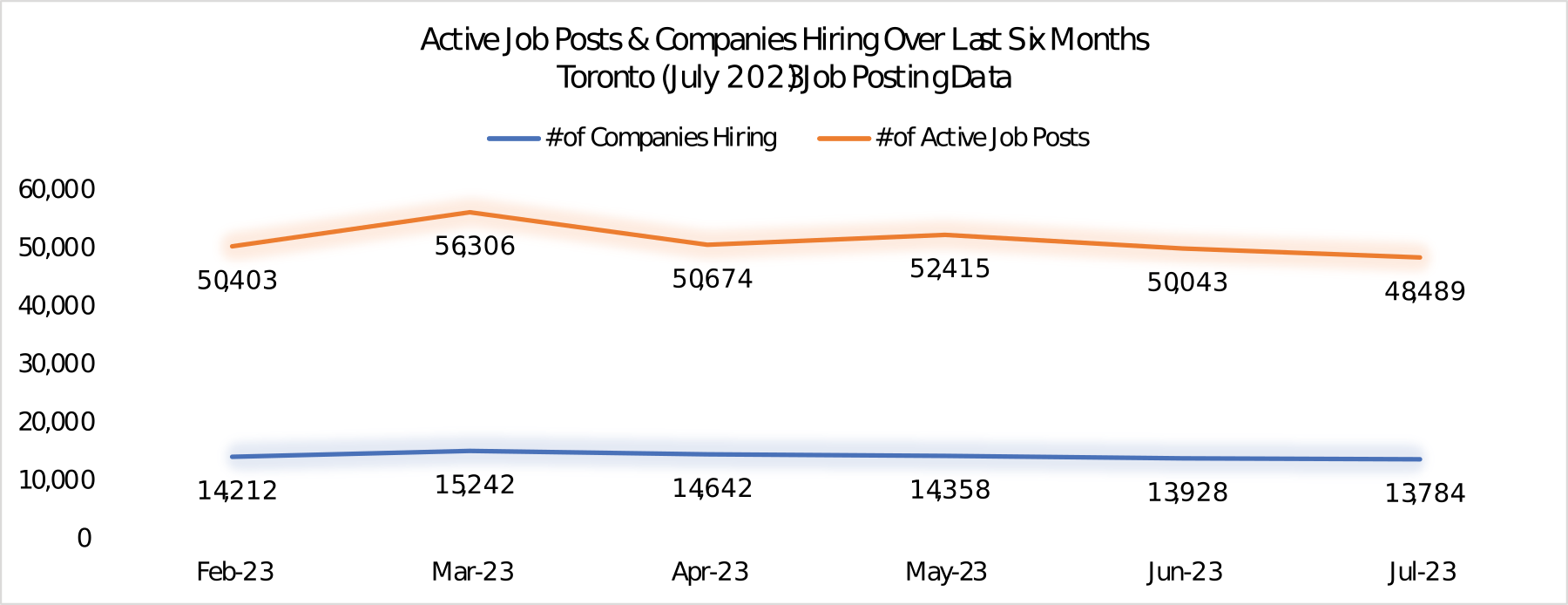
Job posting data volume also indicates that Toronto based companies are continuing to advertise for workers at a steady rate.
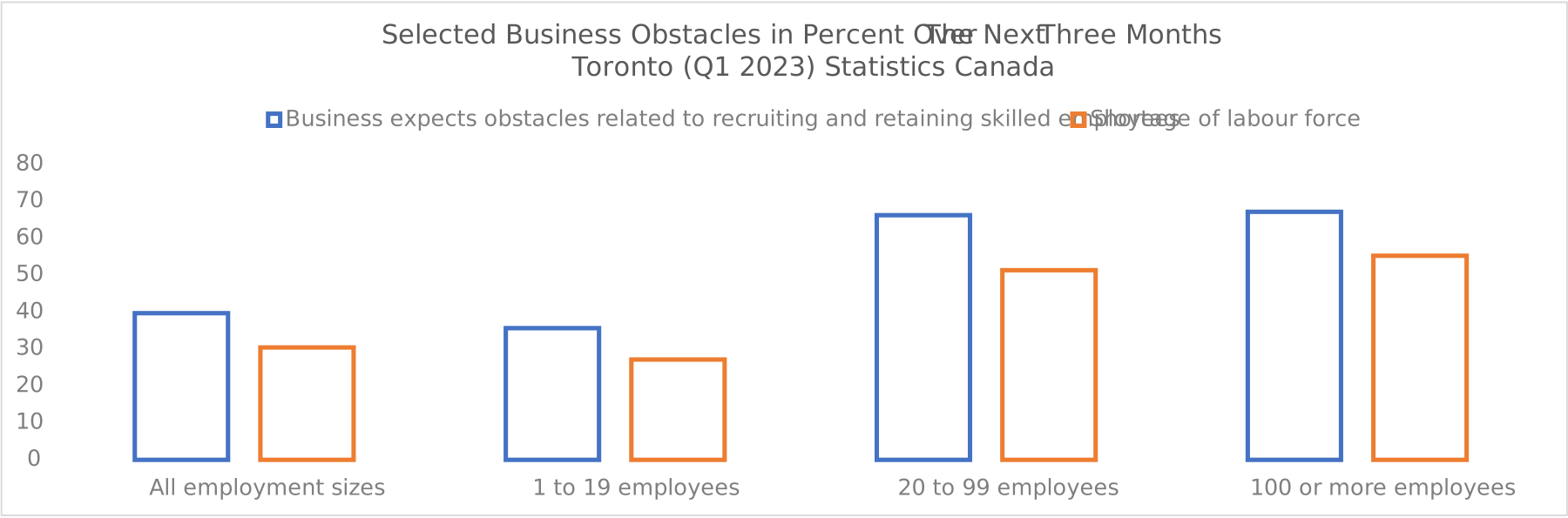
Job vacancy rates and calls/emails from employers to the TWIG office suggests that a significant number of employers are having serious challenges in recruiting and retaining employees. Several companies indicated that the viability of their business was being placed in jeopardy due to worker shortages. A recent Statistics Canada survey echoed what we hear on a daily basis. Shortages of skills and labour are at historic levels.
| Selected business obstacles in percent over the next three months, first quarter of 2023 | ||||
| All employment sizes | 1 to 19 employees | 20 to 99 employees | 100 or more employees | |
| Business expects obstacles related to recruiting and retaining skilled employees | 39.7 | 35.6 | 66.3 | 67.2 |
| Shortage of labour force | 30.4 | 27.1 | 51.4 | 55.3 |
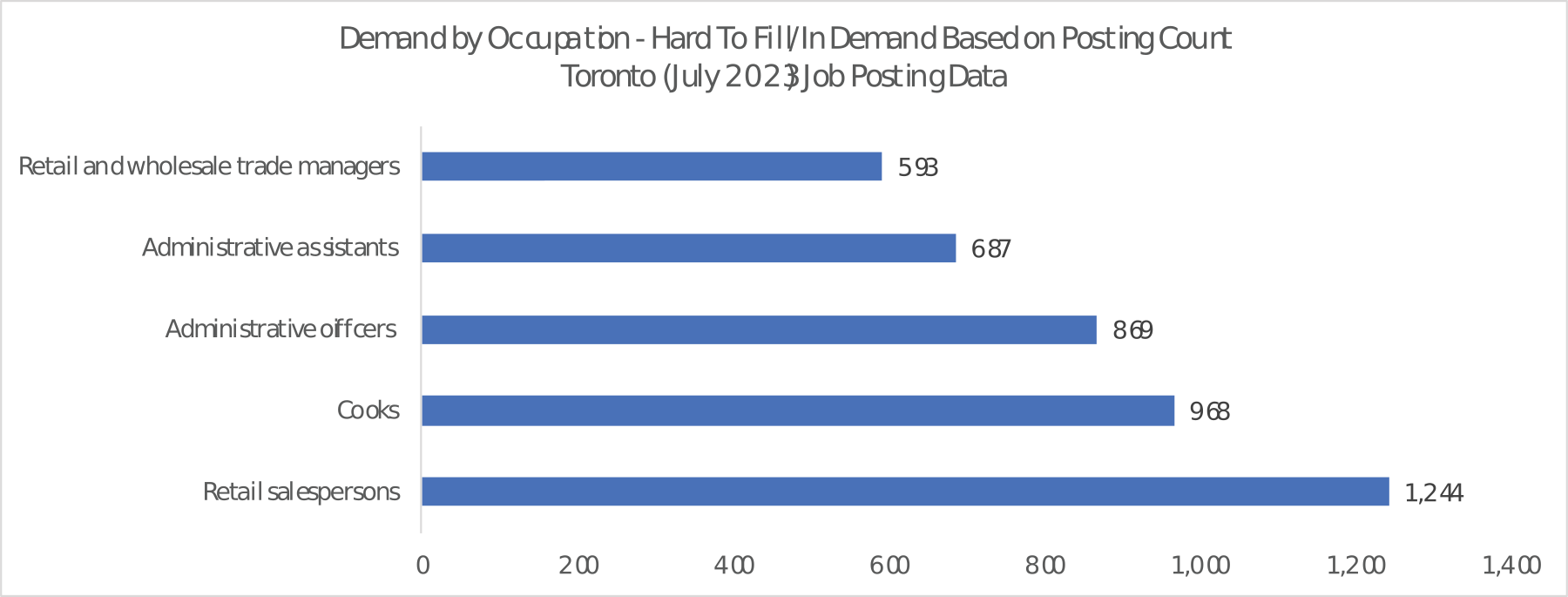
Job posting data indicates that retail occupations (managers and salespersons) remain difficult to fill (which counters the death of tradition retail narrative). There was also significant demand for administrative officers and assistants.
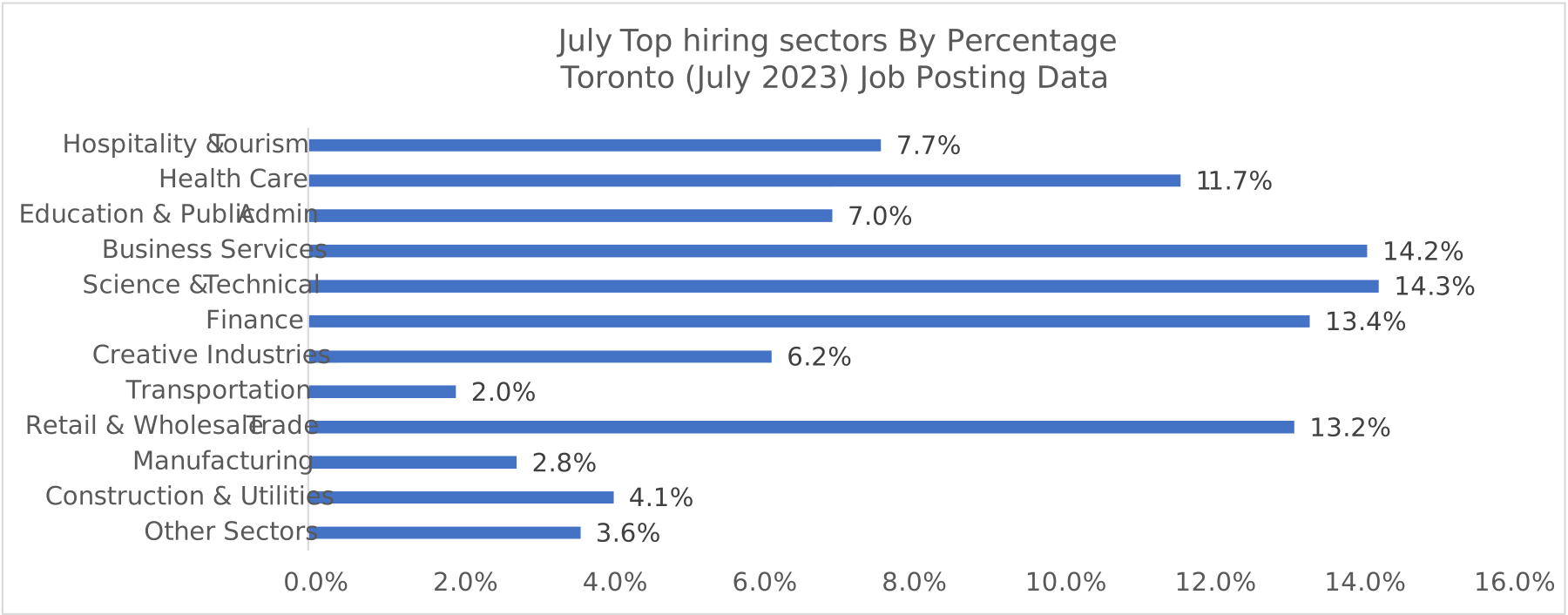
Additional information derived from July’s job posting data includes:
- Almost 84% of job posts were for full time and permanent employment.
- The most important job requirements were for persons with Microsoft skills, First Aid, and a Drivers License.
- Almost half of all job postings were for occupations requiring a university education.
For more information, please see our Jobs TO Data.